Bẻ khóa mật khẩu bằng Brute Force tốn nhiều thời gian hơn, nhưng đừng vội mừng!

Mặc dù mất nhiều thời gian hơn để crack password so với trước đây bằng Brute Force, các chuyên gia an ninh mạng cảnh báo rằng đây không hẳn là tin vui. AD Mức độ…

Bẻ khóa mật khẩu bằng Brute Force tốn nhiều thời gian hơn, nhưng đừng vội mừng! - Techlade
Theo dõi Techlade trên Google: Nguồn ưa thích RSS / Bản tin
Xem bản AMP dành cho điện thoại

Mặc dù mất nhiều thời gian hơn để crack password so với trước đây bằng Brute Force, các chuyên gia an ninh mạng cảnh báo rằng đây không hẳn là tin vui.
Bẻ khóa mật khẩu bằng Brute Force tốn nhiều thời gian hơn, nhưng đừng vội mừng! - Techlade

AD

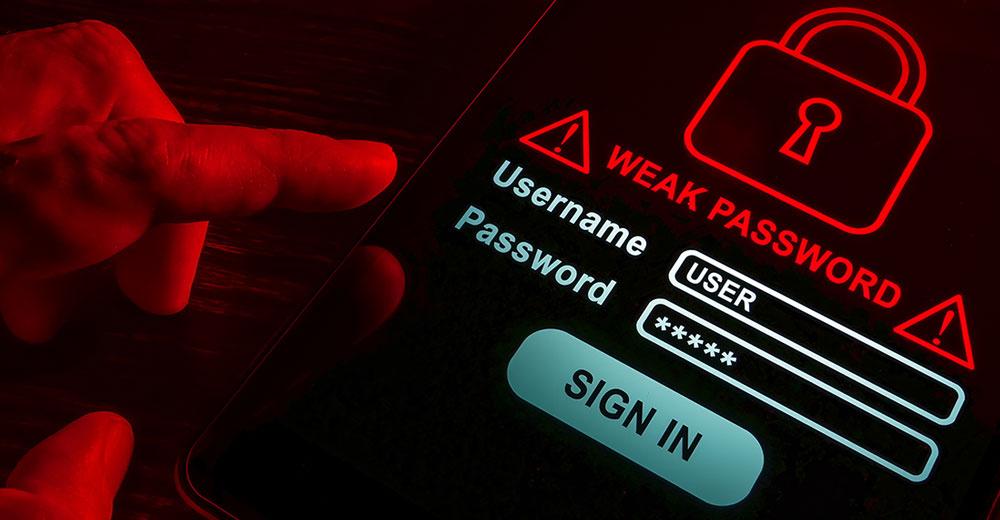
Mức độ an toàn của mật khẩu phụ thuộc trực tiếp vào độ dài và thành phần của nó, bao gồm cả chữ số, chữ cái và ký tự đặc biệt. Mật khẩu càng ngắn và đơn giản, càng dễ bị bẻ khóa trong thời gian ngắn. Ngược lại, mật khẩu dài và phức tạp, kết hợp nhiều yếu tố khác nhau, có thể mất hàng triệu năm để giải mã.

Năm ngoái, một nghiên cứu của Hive Systems đã khiến nhiều người lo ngại khi cho thấy mật khẩu 11 ký tự có thể bị bẻ khóa chỉ trong chớp mắt. Tuy nhiên, tin vui là nghiên cứu mới nhất được công bố năm nay đã chứng minh hiệu quả vượt trội của các thuật toán băm mật khẩu mới theo tiêu chuẩn ngành, điển hình như bcrypt, trong việc bảo vệ mật khẩu được lưu trữ trong cơ sở dữ liệu. Nhờ áp dụng thuật toán bcrypt, cùng mật khẩu 11 ký tự đó giờ đây cần tới 10 giờ để bẻ khóa, tăng độ an toàn lên đáng kể so với trước đây.

Trước đây, nhiều công ty sử dụng mã hóa MD5 để bảo vệ mật khẩu người dùng. Tuy nhiên, phương pháp này đã lỗi thời và không còn đảm bảo an toàn. Do đó, các công ty hiện nay chuyển sang sử dụng bcrypt, một thuật toán mã hóa mạnh mẽ và an toàn hơn nhiều. Theo lời giải thích của Giám đốc điều hành và đồng sáng lập của Hive, Alex Nette, việc áp dụng bcrypt là bước tiến quan trọng trong việc bảo vệ dữ liệu người dùng.

May mắn thay, các trang web và công ty đang dần áp dụng các thuật toán mã hóa mật khẩu mạnh mẽ hơn, khiến việc bẻ khóa mật khẩu trở nên khó khăn hơn. Tuy nhiên, chuyên gia này cũng cảnh báo rằng với sự phát triển không ngừng của công nghệ máy tính, thời gian cần thiết để bẻ khóa mật khẩu sẽ một lần nữa được rút ngắn, tương tự như những gì đã xảy ra trong quá khứ.

Những đánh đổi về mã hóa

Mặc dù việc băm mật khẩu với thuật toán mã hóa mạnh là một biện pháp bảo mật tốt, nó cũng đi kèm với một số nhược điểm nhất định. Nette, một chuyên gia bảo mật, chia sẻ: “Mã hóa khiến mọi thứ trở nên chậm hơn. Bcrypt là một thuật toán băm mật khẩu an toàn, tuy nhiên nếu sử dụng quá nhiều vòng lặp băm, nó có thể ảnh hưởng đến tốc độ đăng nhập trang web hoặc làm cho trang web tải chậm hơn.”

AD

“Theo chuyên gia, việc áp dụng mã hóa tối ưu có thể khiến trang web trở nên khó sử dụng cho người dùng truy cập internet. Do đó, thường phải có sự cân bằng giữa tính bảo mật và trải nghiệm người dùng. Tuy nhiên, ‘chính sự thỏa hiệp này lại có thể tạo cơ hội cho tin tặc tấn công’.”

Theo Jason Soroko, Phó Chủ tịch Sản phẩm cấp cao của Sectigo, nhà cung cấp chứng chỉ kỹ thuật số toàn cầu, Bcrypt mang đến khả năng bảo mật vượt trội so với MD5 nhờ vào hàm băm có độ dài 56 byte so với chỉ 16 byte của MD5. Nhờ vậy, Bcrypt có thể chống lại các cuộc tấn công brute force hiệu quả hơn nhiều.

Mặc dù đã xuất hiện nhiều thuật toán mã hóa mới hơn, MD5 vẫn giữ vị trí nhất định, đặc biệt là trong việc quản lý cơ sở dữ liệu mật khẩu quy mô lớn. Lý do nằm ở kích thước nhỏ gọn và hiệu quả xử lý của nó, theo chia sẻ của ông với Techlade.

Tuy nhiên, việc sử dụng MD5 cũng tiềm ẩn những rủi ro về bảo mật do đã có những lỗ hổng được phát hiện. Do đó, việc cân nhắc kỹ lưỡng trước khi áp dụng MD5 cho các ứng dụng đòi hỏi tính bảo mật cao là vô cùng quan trọng.

Theo MJ Kaufmann, tác giả, giảng viên tại O’Reilly Media và điều hành nền tảng học tập cho chuyên gia công nghệ ở Boston, việc sử dụng thuật toán mã hóa mạnh mẽ hơn đã góp phần gia tăng độ khó cho việc bẻ khóa mật khẩu. Tuy nhiên, ông cũng chỉ ra rằng lợi ích này chỉ dành cho các tổ chức đã cập nhật mã nguồn để áp dụng các thuật toán tiên tiến này.

Do tốn nhiều thời gian và có thể đòi hỏi cập nhật hệ thống đáng kể để tương thích, việc chuyển đổi sang thuật toán mới diễn ra chậm rãi. Nhiều tổ chức có thể sẽ tiếp tục sử dụng các thuật toán cũ trong tương lai gần.

Tình huống xấu nhất cho tin tặc

Theo Kaufmann, trong thời gian gần đây, đã có những tiến bộ đáng kể trong việc bảo vệ dữ liệu. “Các tổ chức cuối cùng đã nhận thức được tầm quan trọng của việc bảo vệ dữ liệu, một phần là do các quy định như GDPR, vốn trao quyền cho người tiêu dùng thông qua các hình phạt nghiêm khắc đối với các công ty vi phạm”, bà giải thích.

Vì vậy, nhiều tổ chức đang tăng cường các biện pháp bảo vệ dữ liệu toàn diện để chuẩn bị cho những quy định có thể xảy ra trong tương lai.

Mặc dù tin tặc có thể mất nhiều thời gian hơn để bẻ khóa mật khẩu, nhưng việc này không còn quan trọng đối với chúng như trước đây. Theo chuyên gia an ninh mạng Kaufmann, “Bẻ khóa mật khẩu không còn là ưu tiên hàng đầu của tin tặc. Chúng thường tìm kiếm những cách thức tấn công dễ dàng hơn, ví dụ như đánh lừa người dùng tiết lộ mật khẩu hoặc lợi dụng mật khẩu bị đánh cắp từ các vụ tấn công khác.”

Mặc dù password bị crack vẫn là mối đe dọa đáng kể, tin tặc ngày càng ưa chuộng các phương thức tấn công tinh vi hơn như lừa đảo trực tuyến (phishing) do sự gia tăng của các tiêu chuẩn mã hóa mật khẩu mạnh mẽ. Theo Adam Neel, kỹ sư dò tìm mối đe dọa tại Critical Start – công ty dịch vụ an ninh mạng quốc gia, các vụ tấn công lừa đảo đang trở nên hấp dẫn hơn do khả năng đánh lừa người dùng tiết lộ thông tin nhạy cảm, bao gồm cả mật khẩu.

Theo chuyên gia chia sẻ với Techlade, tin tặc thường ưu tiên tấn công theo con đường dễ dàng nhất thay vì mất thời gian hàng tháng, thậm chí hàng năm để bẻ khóa mật khẩu thông thường. Nhờ có sự hỗ trợ của AI, kỹ thuật social engineering (kỹ thuật đánh lừa lòng tin) đã trở nên dễ dàng tiếp cận hơn với tin tặc. Nhờ vậy, chúng có thể dễ dàng tạo ra các email và tin nhắn giả mạo tinh vi để đánh lừa người dùng, dụ dỗ họ tiết lộ thông tin nhạy cảm hoặc cài đặt phần mềm độc hại.

Theo Stephen Gates, chuyên gia an ninh mạng tại Horizon3 AI, công ty phát triển giải pháp kiểm thử thâm nhập tự động có trụ sở tại San Francisco, hiện nay tin tặc không cần phải xâm nhập bất hợp pháp vào hệ thống mà chỉ cần sử dụng các tài khoản hợp lệ để thực hiện hành vi tấn công.

Theo chia sẻ của ông với Techlade, việc đánh cắp thông tin đăng nhập qua các lừa đảo mạng (phishing), rò rỉ dữ liệu từ bên thứ ba (bao gồm cả thông tin đăng nhập) và tái sử dụng mật khẩu là vấn đề bảo mật nghiêm trọng nhất mà các tổ chức đang phải đối mặt, tạo cơ hội cho tin tặc xâm nhập vào hệ thống mạng của họ.

Bên cạnh đó, thói quen sử dụng mật khẩu yếu hoặc tái sử dụng cùng một mật khẩu cho nhiều tài khoản của người dùng quản trị đang tạo ra lỗ hổng mà tin tặc đã và đang lợi dụng.

Ngoài ra, ông còn nhấn mạnh rằng một số tài khoản quản trị hoặc CNTT không tuân thủ nghiêm ngặt các quy định về đặt lại mật khẩu và độ dài mật khẩu tối thiểu. Việc quản lý thông tin đăng nhập thiếu chặt chẽ này có thể xuất phát từ việc thiếu hiểu biết về cách thức tin tặc thường lợi dụng những thông tin đăng nhập đơn giản để xâm nhập vào hệ thống và thực hiện các hành vi tấn công nguy hiểm hơn.

Mật khẩu vẫn tồn tại

Việc loại bỏ mật khẩu hoàn toàn tuy được xem là giải pháp tối ưu cho vấn đề bẻ khóa, nhưng lại tiềm ẩn nhiều rủi ro và khó có thể áp dụng trong thực tế. Theo chia sẻ của Darren Guccione, CEO của Keeper Security – một công ty chuyên cung cấp dịch vụ quản lý và lưu trữ mật khẩu trực tuyến tại Chicago: “Mật khẩu đóng vai trò thiết yếu trong hoạt động trên mọi mạng lưới, thiết bị và tài khoản trong cuộc sống hiện đại của chúng ta.”

Mặc dù tiềm năng to lớn, passkey (chìa khóa truy cập) vẫn chưa thể thay thế hoàn toàn mật khẩu trong tương lai gần. Lý do là vì hiện nay, chỉ có một phần nhỏ trang web hỗ trợ passkey, chiếm tỷ lệ không đáng kể so với hàng tỷ trang web đang hoạt động.

Sự áp dụng hạn chế này xuất phát từ nhiều yếu tố:

  • Hỗ trợ nền tảng: Các nền tảng cơ bản như trình duyệt web và hệ điều hành cần tích hợp đầy đủ tính năng hỗ trợ passkey.
  • Điều chỉnh trang web: Các trang web cần được cập nhật để tương thích với passkey, đòi hỏi sự thay đổi về mặt kỹ thuật.
  • Cấu hình người dùng: Việc sử dụng passkey có thể yêu cầu người dùng thực hiện các bước cài đặt và cấu hình ban đầu.

Do đó, trong giai đoạn đầu, passkey sẽ được triển khai song song với mật khẩu, thay vì thay thế hoàn toàn. Việc áp dụng rộng rãi passkey sẽ phụ thuộc vào nỗ lực chung của các bên liên quan, bao gồm nhà phát triển nền tảng, chủ sở hữu trang web và người dùng.

“Mặc dù xu hướng chung hướng đến một tương lai không sử dụng mật khẩu hoặc kết hợp mật khẩu với các phương thức xác thực khác, tuy nhiên, điều này không đồng nghĩa với việc áp dụng cho tất cả mọi trường hợp”, chuyên gia chia sẻ. “Doanh nghiệp cần đánh giá kỹ lưỡng các yếu tố như yêu cầu bảo mật, quy định và nhu cầu của người dùng để lựa chọn và triển khai giải pháp thay thế mật khẩu phù hợp và hiệu quả.”

0 bình luận

Tham gia thảo luận

Cracking passwords using Brute Force takes more time, but don’t rejoice!

Although it takes longer to crack passwords than before using Brute Force, cybersecurity experts warn that this is not necessarily good news. AD The security level of a password depends directly on its length and…

Theo dõi Techlade trên Google: Nguồn ưa thích RSS / Bản tin
Xem bản AMP dành cho điện thoại

Although it takes longer to crack passwords than before using Brute Force, cybersecurity experts warn that this is not necessarily good news.

Cracking passwords using Brute Force takes more time, but don't rejoice! - Techlade

AD

The security level of a password depends directly on its length and composition, including numbers, letters and special characters. The shorter and simpler the password, the easier it is to crack in a short time. In contrast, long and complex passwords, combining many different elements, can take millions of years to decode.

Last year, a study by Hive Systems caused many people to worry when it showed that 11-character passwords can be cracked in just the blink of an eye. However, the good news is that the latest research published this year has demonstrated the superior effectiveness of new industry-standard password hashing algorithms, typically bcrypt, in protecting passwords stored in database. Thanks to the application of the bcrypt algorithm, the same 11-character password now takes up to 10 hours to crack, significantly increasing safety compared to before.

In the past, many companies used MD5 encryption to protect user passwords. However, this method is outdated and no longer guaranteed to be safe. As a result, companies are now turning to bcrypt, a much stronger and more secure encryption algorithm. As explained by Hive CEO and co-founder Alex Nette, the adoption of bcrypt is an important step forward in protecting user data.

Luckily, websites and companies are gradually adopting stronger password encryption algorithms, making it more difficult to crack passwords. However, this expert also warns that with the continuous development of computer technology, the time needed to crack a password will once again be shortened, similar to what happened in the past. .

Encryption trade-offs

While hashing passwords with a strong encryption algorithm is a good security measure, it also comes with certain disadvantages. Nette, a security expert, shares: “Encryption makes everything slower. Bcrypt is a secure password hashing algorithm, but if too many hashing loops are used, it can affect website login speed or cause the website to load more slowly.”

AD

“According to experts, applying optimal encryption can make a website difficult to use for users accessing the internet. Therefore, there often has to be a balance between security and user experience. However, , ‘it is this compromise that can create opportunities for hackers to attack’.”

According to Jason Soroko, Senior Vice President of Product at Sectigo, a global digital certificate provider, Bcrypt offers superior security compared to MD5 thanks to a hash function that is 56 bytes long compared to just 16 bytes of MD5. Thanks to this, Bcrypt can resist brute force attacks much more effectively.

Although many newer encryption algorithms have emerged, MD5 still holds its place, especially in managing large-scale password databases. The reason lies in its compact size and processing efficiency, he shared with Techlade.

However, using MD5 also poses security risks due to discovered vulnerabilities. Therefore, it is extremely important to consider carefully before applying MD5 to applications that require high security.

According to MJ Kaufmann, author, instructor at O’Reilly Media and operator of a learning platform for tech professionals in Boston, the use of stronger encryption algorithms has contributed to the increased difficulty of cracking. password. However, he also pointed out that this benefit is only available to organizations that have updated the source code to apply these advanced algorithms.

Because it is time consuming and can require significant system updates for compatibility, the transition to the new algorithm is slow. Many organizations will likely continue to use legacy algorithms for the foreseeable future.

Worst case scenario for hackers

According to Kaufmann, in recent times, there have been significant advances in data protection. “Organizations are finally waking up to the importance of data protection, in part because of regulations like GDPR, which empower consumers through harsh penalties for companies that violate violation,” she explained.

Therefore, many organizations are enhancing comprehensive data protection measures to prepare for possible future regulations.

Although it may take hackers longer to crack passwords, it is no longer as important to them as it once was. According to cybersecurity expert Kaufmann, “Cracking passwords is no longer a top priority for hackers. They often look for easier ways to attack, such as tricking users into revealing passwords or benefits.” using passwords stolen from other attacks.”

Although cracked passwords remain a significant threat, hackers are increasingly favoring more sophisticated attack methods such as phishing due to the rise of strong password encryption standards. According to Adam Neel, threat intelligence engineer at Critical Start, a national cybersecurity services company, phishing attacks are becoming more attractive due to their ability to trick users into revealing sensitive information. , Including passwords.

According to experts sharing with Techlade, hackers often prioritize attacks using the easiest path instead of spending months or even years to crack regular passwords. Thanks to the support of AI, social engineering techniques have become more accessible to hackers. Thanks to this, they can easily create sophisticated fake emails and messages to deceive users, luring them into revealing sensitive information or installing malware.

According to Stephen Gates, cybersecurity expert at Horizon3 AI, a company that develops automated penetration testing solutions based in San Francisco, hackers currently do not need to illegally penetrate the system, they just need to Use valid accounts to perform attacks.

According to him, stealing login information through phishing, leaking data from third parties (including login information), and reusing passwords is a problem. The most serious security issues that organizations are facing, creating opportunities for hackers to penetrate their networks.

Besides, the habit of using weak passwords or reusing the same password for multiple accounts of administrative users is creating vulnerabilities that hackers have been taking advantage of.

Additionally, he highlighted that some administrative or IT accounts do not strictly comply with password resets and minimum password length regulations. This lack of strict login information management may stem from a lack of understanding of how hackers often take advantage of simple login information to penetrate the system and carry out dangerous attacks. more dangerous.

The password still exists

Although completely eliminating passwords is considered the optimal solution to the problem of cracking, it has many potential risks and is difficult to apply in practice. According to Darren Guccione, CEO of Keeper Security – a company specializing in providing online password storage and management services in Chicago: “Passwords play an essential role in operations on all networks and devices. and account in our modern lives.”

Despite its great potential, passkeys cannot completely replace passwords in the near future. The reason is because currently, only a small portion of websites support passkeys, accounting for an insignificant proportion compared to billions of active websites.

This limited application stems from many factors:

  • Platform support: Basic platforms such as web browsers and operating systems need to fully integrate passkey support.
  • Website adjustments: Websites need to be updated to be passkey compatible, requiring technical changes.
  • User configuration: Using a passkey may require the user to perform initial installation and configuration steps.

Therefore, in the first phase, passkeys will be deployed in parallel with passwords, instead of replacing them completely. Widespread adoption of passkeys will depend on the joint efforts of stakeholders, including platform developers, website owners, and users.

“While the general trend is towards a passwordless future or combining passwords with other authentication methods, this does not mean it applies to all cases,” the expert said. share. “Enterprises need to carefully evaluate factors such as security requirements, regulations and user needs to select and deploy appropriate and effective password replacement solutions.”

0 bình luận

Tham gia thảo luận